


As designers who have worked extensively with commercial clients, we understand the growing importance of sustainable practices in the business world. Creating a sustainable commercial space not only benefits the environment but also enhances the reputation of your business and improves the well-being of occupants. In this blog post, we will share valuable tips on how to incorporate sustainable principles into your commercial space, ensuring a greener and more responsible future.
- Embrace Energy Efficiency:
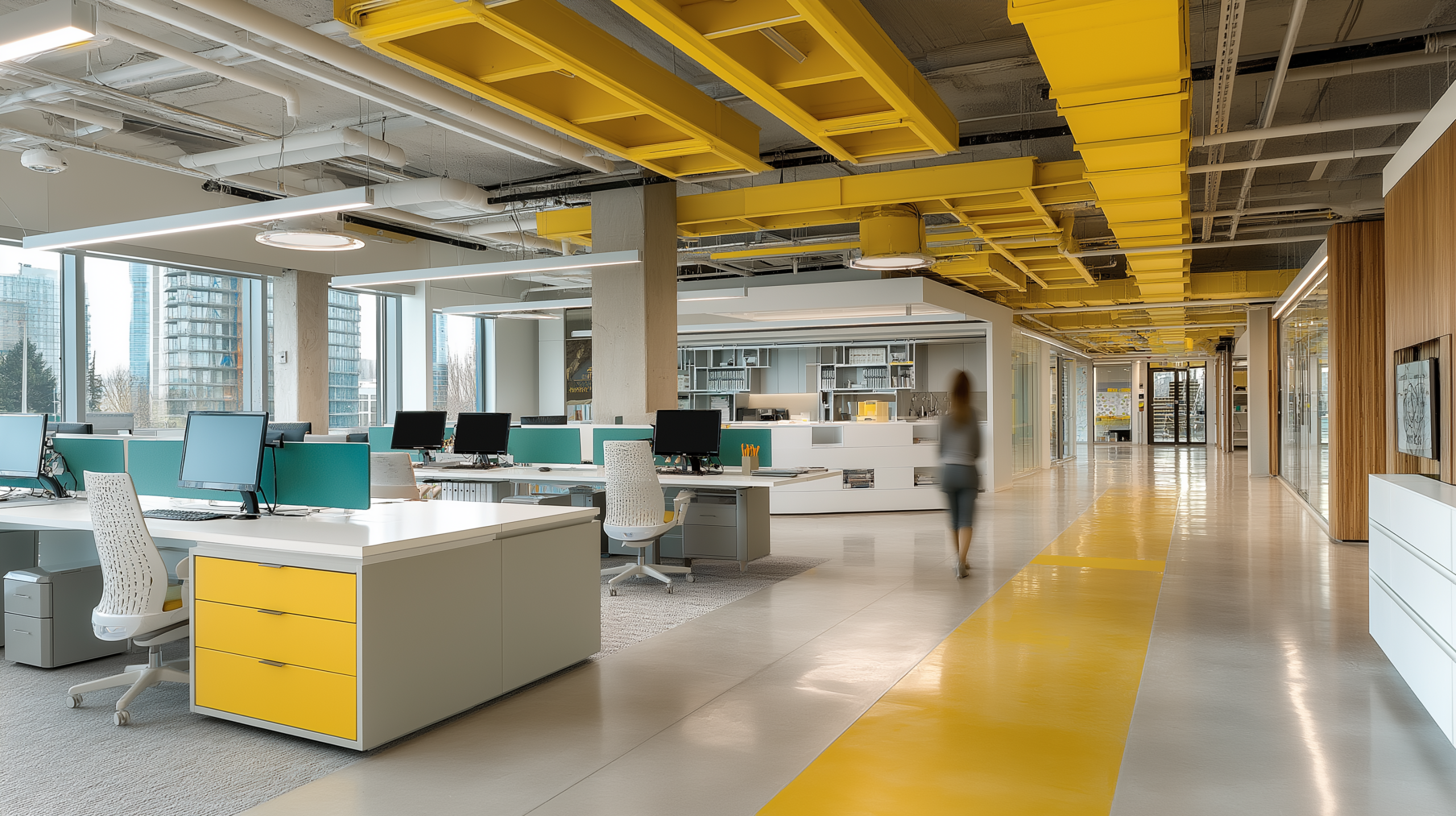
One of the key aspects of sustainability is reducing energy consumption. Opt for energy-efficient lighting systems, such as LED bulbs, and utilize natural light to the fullest extent possible. Implement motion sensors and timers to automatically control lighting when spaces are unoccupied. Additionally, invest in energy-efficient appliances and equipment, such as HVAC systems and office electronics, which can significantly reduce energy consumption and lower utility costs.
- Optimize Water Usage:
Conserving water is another crucial element of sustainable design. Install low-flow faucets, toilets, and urinals to minimize water wastage. Consider incorporating water-efficient landscaping practices, such as using native plants and implementing drip irrigation systems, to reduce outdoor water usage. Educate employees about the importance of water conservation and encourage responsible water usage habits throughout the workplace.
- Prioritize Indoor Air Quality:
Creating a healthy and productive indoor environment is paramount in sustainable design. Select non-toxic, low-emission building materials and finishes to prevent the release of harmful chemicals into the air. Ensure proper ventilation and air filtration systems to improve indoor air quality. Incorporate natural elements, such as plants, to enhance air purification and create a more pleasant and refreshing atmosphere.
- Incorporate Recycled and Renewable Materials:
Make conscious choices when it comes to material selection. Opt for recycled or reclaimed materials whenever possible. Use sustainable flooring options, such as bamboo or cork, which are renewable resources. Integrate recycled content into furniture, partitions, and decorative elements. By choosing eco-friendly materials, you contribute to the reduction of waste and support a circular economy.
- Implement Waste Management Strategies:
Develop a comprehensive waste management plan to reduce, reuse, and recycle waste within your commercial space. Install recycling stations throughout the premises and clearly communicate recycling guidelines to employees. Encourage the use of reusable products, such as water bottles and coffee mugs, to minimize single-use items. Partner with local recycling facilities and explore composting options to further reduce waste sent to landfills.
- Foster a Culture of Sustainability:
Creating a sustainable commercial space requires a collective effort. Educate and engage employees in sustainable practices by providing training sessions and promoting awareness campaigns. Encourage sustainable commuting options, such as carpooling, cycling, or public transportation, and provide incentives for eco-friendly behaviors. By fostering a culture of sustainability, you create a positive impact that extends beyond the physical space.
- Seek Green Certifications:
Consider pursuing green certifications, such as LEED (Leadership in Energy and Environmental Design), to showcase your commitment to sustainability. Green certifications validate your efforts and provide credibility to your commercial space. They also attract environmentally conscious tenants and customers who prioritize sustainability in their decision-making process.
Designing a sustainable commercial space is a forward-thinking investment that benefits both the environment and your business. By embracing energy efficiency, optimizing water usage, prioritizing indoor air quality, incorporating recycled materials, implementing waste management strategies, fostering a culture of sustainability, and seeking green certifications, you can create a space that aligns with your values and makes a positive impact. Embrace the power of sustainable design to create a greener, healthier, and more socially responsible future for your business and the planet.
- Choose sustainable building materials. When choosing building materials, look for those that are made from recycled or sustainable materials. There are many sustainable options available, such as bamboo flooring, cork wall panels, and recycled glass countertops.
- Install energy-efficient appliances and lighting. Energy-efficient appliances and lighting can help to reduce energy consumption and save money on utility bills. Look for appliances and lighting with Energy Star labels, which means they meet certain energy efficiency standards.
- Use natural light whenever possible. Natural light is a great way to brighten up your space and reduce energy consumption. If possible, design the space with plenty of windows to let in natural light.
- Install a water-saving irrigation system. If there is a green space, install a water-saving irrigation system to help conserve water.
- Recycle and compost. Encourage employees to recycle and compost to reduce waste. Provide recycling bins and compost bins throughout the office, and offer incentives for employees who recycle and compost.
- Get involved in the community. Get involved in the community by supporting local businesses and organizations that are working to protect the environment.
- Use low-VOC paints and finishes. Low-VOC paints and finishes emit fewer volatile organic compounds, which can improve air quality and reduce your exposure to harmful chemicals.
- Install motion-sensor lights. Motion-sensor lights can help to reduce energy consumption by turning off lights when they are not needed.
- Install a rainwater harvesting system. A rainwater harvesting system can collect rainwater for use in the office, such as for watering plants or flushing toilets.
- Install solar panels. Solar panels can generate electricity from the sun, which can help reduce reliance on fossil fuels.
These small changes can make a big difference in the sustainability of commercial space.

